The global packaging industry is undergoing rapid transformation as manufacturers shift toward higher levels of automation and integrated production systems. Among the key technologies driving this change, automatic labeling systems have become essential for improving packaging consistency, reducing manual workload, and supporting large-scale production demands.
As industries such as food and beverage, pharmaceuticals, cosmetics, and consumer goods continue to expand, the need for precise, fast, and adaptable labeling solutions is increasing significantly.
Automation Reshaping Packaging Operations
In modern manufacturing environments, efficiency and consistency are critical to maintaining competitiveness. Traditional manual labeling methods often struggle to keep up with high-volume production requirements, leading to variability in output and increased operational delays.
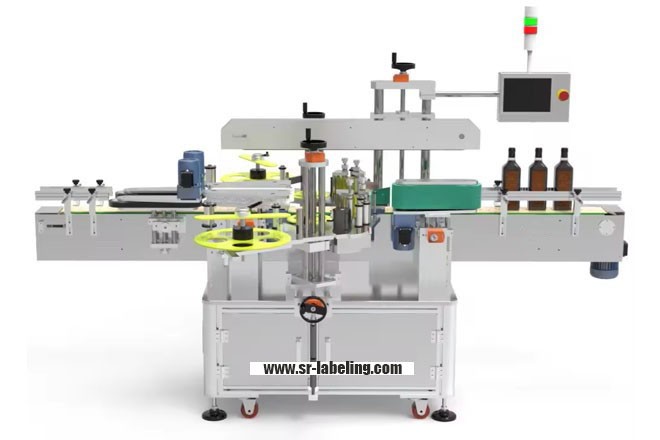
Automatic labeling system help eliminate these challenges by standardizing the labeling process across different production speeds and product types. This shift toward automation allows manufacturers to streamline workflows and maintain stable output even during peak production periods.
Automation is now a key driver in improving overall packaging line performance.
Ensuring Label Accuracy and Product Consistency
One of the most important functions of an automatic labeling system is maintaining consistent label placement. Accurate labeling not only improves product appearance but also supports compliance, traceability, and brand identity.
Inconsistent labeling can result in product rejection, packaging waste, and reduced consumer trust. By applying labels with controlled precision, automated systems help ensure that every product meets the same visual and functional standards.
Consistency has become a defining requirement in competitive packaging industries.
Supporting Diverse Container and Product Types
Modern production lines often handle a wide variety of container shapes and sizes, including round bottles, square containers, flat surfaces, and uniquely designed packaging formats. This diversity creates challenges for manual labeling processes.
Automatic labeling systems are designed to accommodate multiple product types within a single production environment. Their adaptability allows manufacturers to switch between different packaging formats with minimal disruption to workflow.
This flexibility is especially important for companies managing multiple product lines or frequent packaging updates.
Improving Production Line Efficiency
Efficiency is a core priority in industrial packaging operations. Bottlenecks in labeling can slow down the entire production process, affecting upstream filling and downstream packaging stages.
Automatic labeling systems help maintain balanced production flow by synchronizing with other equipment in the line. This coordination reduces idle time, improves throughput, and enhances overall production stability.
As production demands increase, efficiency-focused solutions are becoming essential for maintaining operational competitiveness.
Reducing Dependence on Manual Labor
Labor availability and consistency remain ongoing challenges in many manufacturing sectors. Manual labeling processes require continuous attention and can be affected by fatigue, training levels, and human error.
Automated systems reduce reliance on manual intervention, allowing operators to focus on higher-value tasks such as quality control, system monitoring, and production management. This shift not only improves efficiency but also enhances workplace productivity.
Labor optimization has become a key benefit of packaging automation.
Integration with Smart Packaging Systems
The development of smart manufacturing has led to greater integration between different stages of production. Automatic labeling systems are increasingly designed to work alongside filling machines, conveyors, inspection units, and packaging equipment.
This integration enables real-time coordination across the entire production line, improving visibility and control over manufacturing processes. As digital transformation continues, connected systems are becoming standard in modern factories.
Integrated automation supports better decision-making and process optimization.
Enhancing Scalability for Future Growth
As businesses expand, production requirements often increase in both volume and complexity. Automatic labeling systems provide scalability that allows manufacturers to adapt to changing demands without major operational disruptions.
Scalable systems support higher production speeds, additional product formats, and evolving packaging designs. This adaptability is essential for companies aiming to grow in competitive markets.
Future-ready equipment helps ensure long-term operational stability.
Contact: Kris.Jiang
Phone: +86-13512184818
E-mail: Kris.jiang@sr-packing.com
Add: No. 18, Changting Road, Fengxian District, Shanghai, China